Small rewards, right now: motivation that works with ADHD
· 5 min read
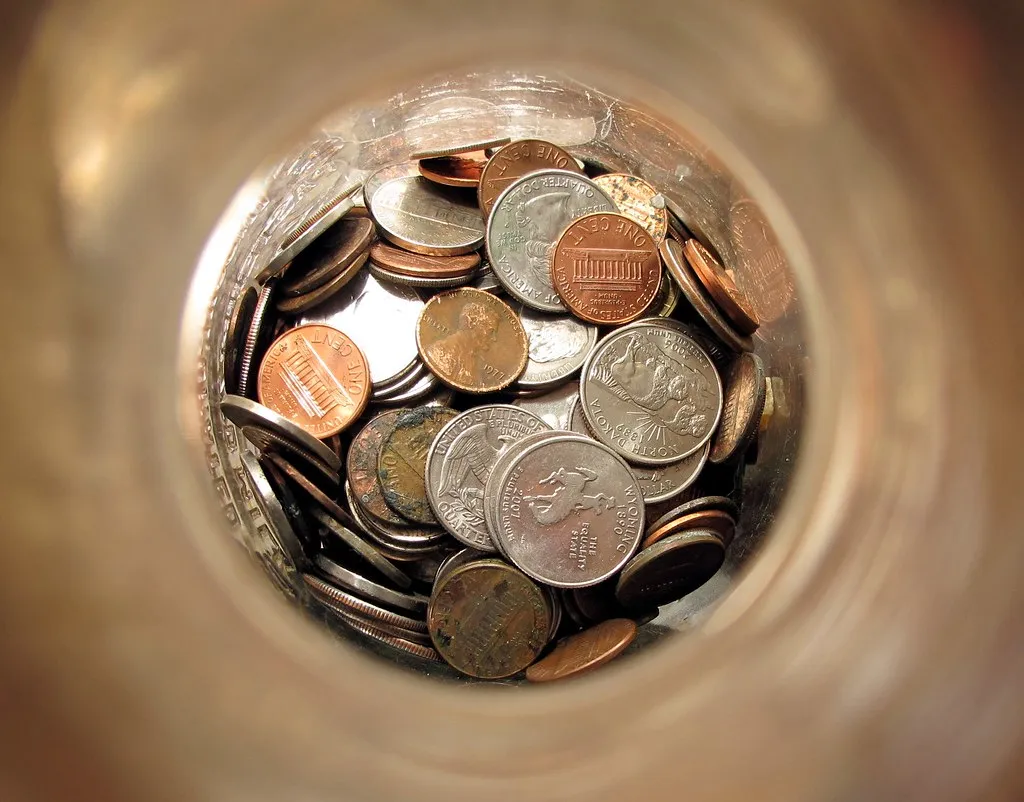
Motivation with ADHD works best when the reward arrives now, not at the end of term. Distant payoffs — the grade, the promotion, the finished thesis — are real, but by the time they have travelled from months away to the present moment they have lost nearly all their pull, while a small reward that lands the second the bell rings arrives at full weight. This is not a character flaw to be trained out. It is a fact about how delay feels, and the useful move is to design around it rather than argue with it.
Distant rewards shrink; near ones don’t
Everyone discounts the future a little. Ask anyone whether they would rather have something good today or something slightly better in six months and watch them hesitate. With ADHD the discounting is steeper — a reward three weeks away is not a smaller version of itself, it is functionally invisible. You can know the exam matters, believe it matters, and still find the knowledge weightless at four o’clock on a Tuesday when the revision is in front of you.
The standard advice — keep your eyes on the goal — asks you to run the whole motivational supply line from a warehouse months away. When the line is that long, almost nothing arrives. The alternative is to build a depot next to the work: something small, certain, and immediate that fires every time a block of work actually happens.
This is also why the wall at the start of a task is so high. If the payoff is distant and the cost is right now, the ledger for beginning looks terrible — there is a whole piece on that wall in task initiation with ADHD. A near reward does not demolish the wall, but it puts something visible on the other side of it.
The reward must follow the finish, not the effort
Here is the detail that most reward systems fumble: what the reward is attached to.
Attach it to time spent and you reward sitting there. Attach it to opening the app and you reward opening the app — plenty of tools have discovered their users are excellent at logging in. The honest anchor is the finish: the session either ended with the bell or it did not, and the reward follows only the bell.
This sounds strict and is actually kind. It makes the reward mean something, which is the whole reason it can pull you through minute nineteen. In PetPomo, the coin drops when the session completes, and the cat wakes up pleased — an abandoned session earns nothing, quietly, without a lecture. The gap between nothing and something does more work than any punishment could, because it points forward: the next session is always worth full price.
Small matters here too. A reward that is too large stops being a marker and starts being the point, and then the work becomes the annoying thing standing between you and the reward. A coin, a tick, a cat’s stretch — tokens, really. Their job is not to pay you. Their job is to make the finish land, to give the moment a shape you can feel, so that finishing stops being an abstraction and starts being an event.
The reward is a receipt, and receipts accumulate
One coin is trivial. A pattern of them is not. The quiet second function of small immediate rewards is that they leave a trail — evidence, on a bad day, that you are a person who finishes sessions, because there they are, counted.
This is worth more with ADHD than it might sound, because memory for one’s own effort is patchy and the felt sense of “I never get anything done” is often flatly contradicted by the record. A stats page that shows the sessions you actually completed is the same receipt at a longer timescale — not a scoreboard to beat, just a mirror that remembers better than you do.
Where gamification tips into manipulation
There is a line here and it is worth drawing carefully, because the same machinery that makes finishing feel good can be pointed at you instead of at the work.
The tell is what the system does with your absence. An honest reward adds something when you finish. A manipulative one removes something when you don’t — the streak that shatters, the plant that dies, the creature that suffers visibly until you come back. Both use the same loop; only one of them is on your side. Loss-flavoured mechanics work, in the narrow sense that fear works, but they convert a focus tool into a small anxiety machine, and people quite sensibly walk away from those — it is one of the reasons productivity apps get abandoned so quickly.
The test to apply to any reward system, including PetPomo’s: what happens if I disappear for two weeks? If the answer is “you return to wreckage”, the rewards were a leash. If the answer is “you return to a slightly sad cat who is delighted to see you and nothing has been lost”, the rewards were what they claimed to be — a way of making good moments legible, not a way of making leaving expensive.
Rewards start the engine; they don’t have to drive
A fair worry: doesn’t this make you dependent on trinkets? Won’t you become someone who can only work for coins?
Experience mostly runs the other way. The reward’s job is heaviest at the start — first minute, first session, first week — when the work has no momentum of its own. Once a rhythm exists, the work starts generating its own returns: the session finished yesterday makes today’s easier to start, and finished work has a satisfaction that no token matches. The coin is a jump-lead, not the engine. There is a longer argument about why a creature makes a better jump-lead than a number in why a virtual pet helps you focus.
So: make the reward small, make it immediate, attach it to the finish, and never let it punish you. That combination is unglamorous and it holds up.
PetPomo is a timer, not a treatment. Nothing here is medical advice — if motivation or focus problems are weighing on you, a doctor or a specialist is the right person to talk to, and this page is no substitute.
Comments
Loading comments…
Keep reading 🐾

Why productivity apps get abandoned within a fortnight
Productivity apps rarely fail on features. They fail because nothing notices when you leave — and because streaks make coming back feel worse.

Why a virtual pet makes focus timers stick
Plain timers are easy to abandon because nothing notices. A pet that reacts to your sessions borrows a much older motivation, and that changes the odds.

External structure: borrowing a clock when yours is unreliable
External structure for ADHD means outsourcing time-sense to alarms, visible timers and other people — prosthetics, not crutches, and nothing to apologise for.