Why productivity apps get abandoned within a fortnight
Productivity apps rarely fail on features. They fail because nothing notices when you leave — and because streaks make coming back feel worse.
36 articles on this topic. Or jump to another:
Productivity apps rarely fail on features. They fail because nothing notices when you leave — and because streaks make coming back feel worse.
Plain timers are easy to abandon because nothing notices. A pet that reacts to your sessions borrows a much older motivation, and that changes the odds.

A 25-minute focus timer, a short break, and a rule about what to do when you get distracted. Here is how the method actually works and where it fails.
Focus time tracking stats are a mirror, not a scoreboard. Which numbers deserve your trust, which ones flatter you, and how to read a week kindly.
Studying alone is two jobs — the material and the silence. How to make a room feel inhabited without inviting distraction in, and why it helps.

Study with me videos are hours of a stranger silently working — and they help. What that quiet company supplies, what it costs, and calmer versions.

Why small, immediate rewards suit ADHD motivation better than distant payoffs — and where honest gamification ends and manipulation begins.

Skipping breaks does not bank extra ADHD focus — it borrows from the next session. Why a real break needs content, not just an absence of work.

Why company that cannot judge you is sometimes easier than company that can, and what a silent, undemanding presence actually does for solitary work.
An honest answer — the Pomodoro Technique helps many people with ADHD and fails others. What the bounded interval supplies, and how to adapt it.
The Pomodoro Technique was designed for people who control their own time. Here is how to make it survive Slack, meetings and an open-plan office.
Pomodoro sessions fail when they carry three tasks. Why naming one task before you press start matters more than the timer itself, and how to slice big work.

Loneliness runs in the background and spends the attention you meant for work. How lonely focus gets harder, and the small levers that may help.
ADHD hyperfocus is focus without brakes — missed meals, lost hours. Why a bell that ends sessions matters as much as the one that starts them.
Forty minutes between meetings is too short for deep work and too long to waste. One pomodoro fits that gap exactly — here is how to defend it.

How to finish tasks when everything trails off instead of ending — give work an honest finish line, close the open loops, and let a bell say done.

External structure for ADHD means outsourcing time-sense to alarms, visible timers and other people — prosthetics, not crutches, and nothing to apologise for.
25 minutes is a convention, not a rule. Why ADHD brains often need a different session length, and how to actually find yours.
Every popular body doubling tool assumes you're comfortable on camera. What to do when the camera itself is the barrier, not the working alone.
The context switching cost that hurts productivity isn't the glance at the other thing — it's the slow reload afterwards. How bounded sessions help.

Short, specific ways to spend the five minutes between meetings so they actually recover your attention, backed by what the break research says works.

An honest comparison of Forest, Finch and PetPomo — device support, cost, what grows or dies, and which one actually fits your reasons for wanting one.
The pomodoro technique wasn't invented in a lab. What actual attention and sleep research says about whether — and why — it works anyway.
Why the short break between meetings is the one most people skip — and what a virtual pet changes about actually taking it during office hours.

Does adding a virtual pet to a pomodoro timer actually help you focus, or is it just decoration? What the evidence says, honestly.

Many productivity apps use guilt and broken streaks as the motivator. For rejection-sensitive dysphoria, that design is actively counterproductive.

Streak counters are supposed to motivate you. For a lot of people they do the opposite the moment one breaks. What the research says, and a better design.

The hardest part of a 25-minute session is the first ten seconds. A smaller rule to get past the moment before you press Start.
The real psychology behind why a fake creature can create genuine caregiving feelings — and what that has to do with getting work done.

No account, no paywall, no upsell — what that actually means technically, and why it's a real design decision, not a missing feature.

The hardest part of a bad week is the return. How to pick tools that greet you instead of auditing you, and why one small session counts as coming back.

What body doubling is, why presence without help works for ADHD focus, and why even a virtual pet asleep beside your timer counts as company.

ADHD time blindness is knowing time exists without feeling it pass. How visible countdowns, bells and a sleeping cat turn time into an object you can use.
Task initiation with ADHD — why the wall between intending and beginning exists, and how a smaller commitment plus a start ritual lowers the cost.
One ADHD-friendly study session walked through from first minute to last — one task, a distraction notepad, and a break that actually restores you.
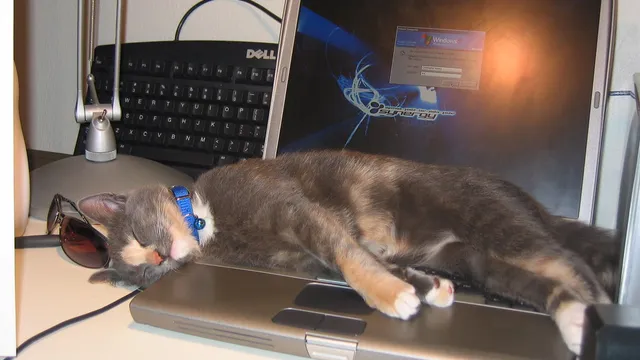
Deep work advice is all subtraction — block, mute, remove. A desk companion is the one addition that helps focus, and it works by sitting still.