How loneliness quietly erodes concentration
· 4 min read
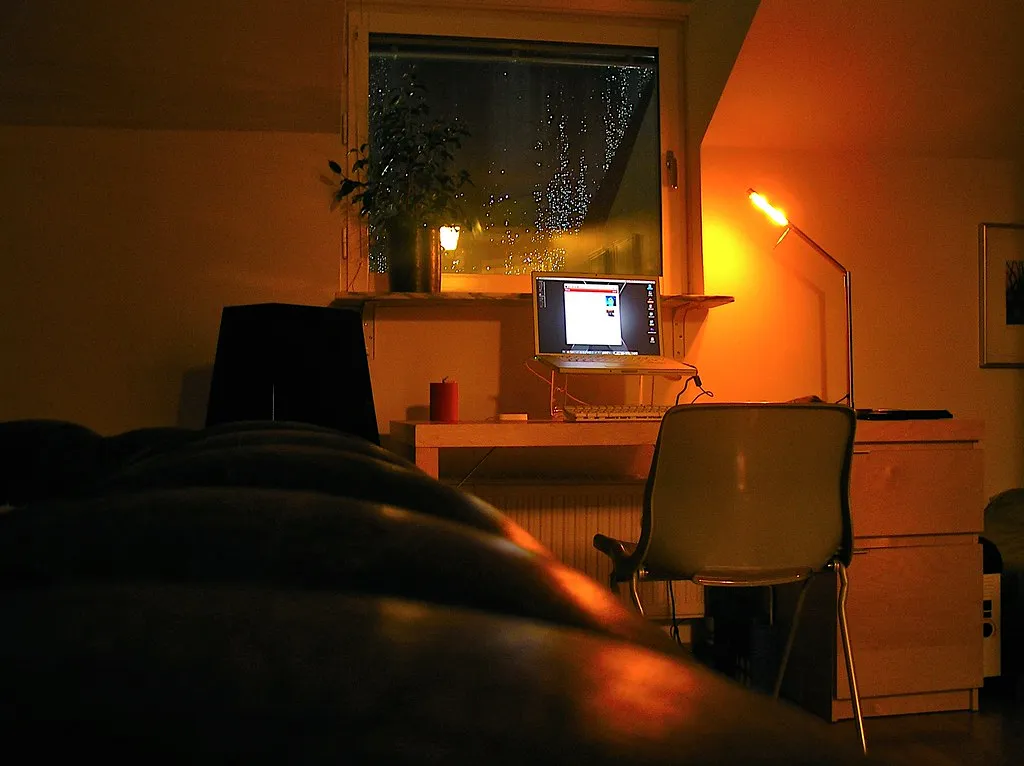
Loneliness erodes concentration because it is not a feeling that waits politely until the work is done. It behaves like a background process — always running, rarely visible, quietly spending the same attention you were hoping to give the task in front of you. The work does not get harder; you arrive at it with less.
Part of you stays on watch
When connection feels uncertain, some portion of your mind keeps a lookout. It checks whether the message has been replied to. It rereads the thing you sent this morning and wonders whether it landed wrong. It notices, every so often, exactly how quiet the flat is.
None of this is dramatic, and none of it is a character flaw. It is the sort of low-grade vigilance you would expect from a social animal that is not sure where it stands. But vigilance is attention. You cannot keep a lookout for free.
So the lonely version of you sits down to the same spreadsheet as the connected version, except with a second job already running. The spreadsheet loses.
Rumination wants the same chair as the work
Concentration happens in a small space. You can hold one genuinely difficult thing in mind at a time, and everything else has to queue. Rumination — the replaying of conversations, the drafting of messages you will never send, the slow circling of why has nobody called — does not queue. It sits down in the chair the work needed.
This is why lonely distraction has a particular flavour. It is not the fun kind, the falling-down-an-interesting-rabbit-hole kind. It is the unread group chat you keep opening — not because it is interesting, but because it might contain evidence about where you stand. You check it, learn nothing, feel slightly worse, and go back to the paragraph you have now read four times.
A distraction you enjoy at least pays you something. This one only collects.
There is a small countermeasure worth borrowing from the pomodoro playbook: when the worry surfaces mid-task, write it down instead of following it. Reply to Sam. Ask about the weekend. A worry on paper loses some of its volume, because half of what it was doing was shouting to avoid being forgotten. You will not have solved anything — but you will have moved the rumination out of the chair for twenty minutes, and twenty minutes is often all a piece of work needed.
The same task weighs more when nobody is there
Most people have noticed that a tedious job done alongside someone — even in silence, even a stranger — feels lighter than the same job done alone. Part of the effort of solitary work is that you must be the worker, the witness and the timekeeper all at once. Nobody marks the edges of your day. Nobody sees you start, so stopping costs nothing.
Add loneliness — not merely being alone, but feeling it — and the load grows again, because now the lookout and the rumination are running alongside everything else. Anyone who has worked from home through a long quiet stretch will recognise the arithmetic: the tasks were no harder than they were in the office, but somehow the days cost more.
Naming this matters, because the usual conclusion people reach is I have got lazy or my discipline has gone. Neither is the likely story. Attention is going somewhere; it is simply not going into the work.
Small, structural company is one lever — not the lever
The honest first answer to loneliness is other people: a call you actually make, a standing arrangement, working an afternoon a week somewhere with other humans in it. Nothing below replaces any of that.
But smaller, structural things move the needle too, and they are cheap enough to try. A room that feels inhabited is easier to work in than one that feels abandoned, and rooms can be made to feel inhabited by modest means — sound, light, routine, presence that asks nothing of you.
This is the mechanism PetPomo leans on. A cat that sleeps beside your timer while you focus, and wants feeding and stroking when the break arrives, does not cure loneliness in any deep sense — it would be dishonest to claim it did. What it does is smaller and still real: it gives the room a second occupant with its own schedule, so that working stops being something you do entirely unobserved. Students seem to discover this instinctively, which is much of why studying alone goes better when the room feels lived in.
Be clear-eyed about the scale. This is a lever the size of a lamp, not the size of a friendship. It is worth pulling because it is nearly free, not because it is sufficient.
Being kind about the bad days
If loneliness is taxing your attention, the worst response is to add self-blame on top, because self-blame is just rumination with better manners. The kinder and more useful response is structural: shorter sessions, so that starting stays cheap. Defined breaks, so the day has edges someone would once have marked for you. Something small and pleasant waiting at the bell.
That thinking is most of why PetPomo exists at all, and why the cat gets sad but never leaves — the longer version is on the about page. A tool for lonely hours has no business making them lonelier.
None of it makes loneliness vanish. It makes the working part of the day slightly more possible, and on some weeks that is the difference that matters. It also frees a little of the energy that self-blame was burning — energy better spent on the phone call, the walk, the small real contact that actually reaches the underlying thing.
PetPomo is a timer, not a treatment. Nothing here is medical advice — if loneliness or low mood are weighing on you, a doctor or a specialist is the right person to talk to, and this page is no substitute.
Comments
Loading comments…
Keep reading 🐾

Working from home and the isolation nobody schedules for
Offices supplied company nobody planned — kettle queues, overheard jokes. Working from home removed it without replacing it. What to put back, and how.

Why looking after something helps when you feel alone
Caring for something — even a small virtual pet — can ease the feeling of being surplus when you are alone. How that works, and where the help runs out.
Studying alone without feeling alone
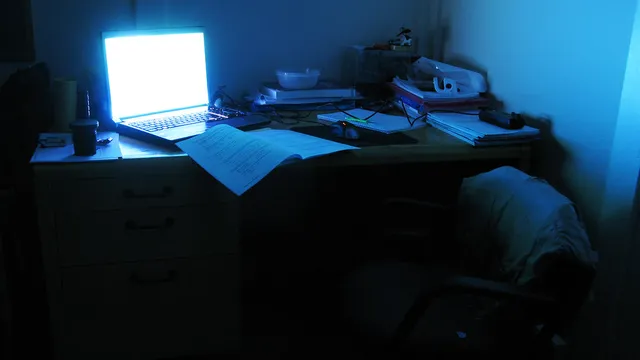
Studying alone is two jobs — the material and the silence. How to make a room feel inhabited without inviting distraction in, and why it helps.