Why looking after something helps when you feel alone
· 4 min read
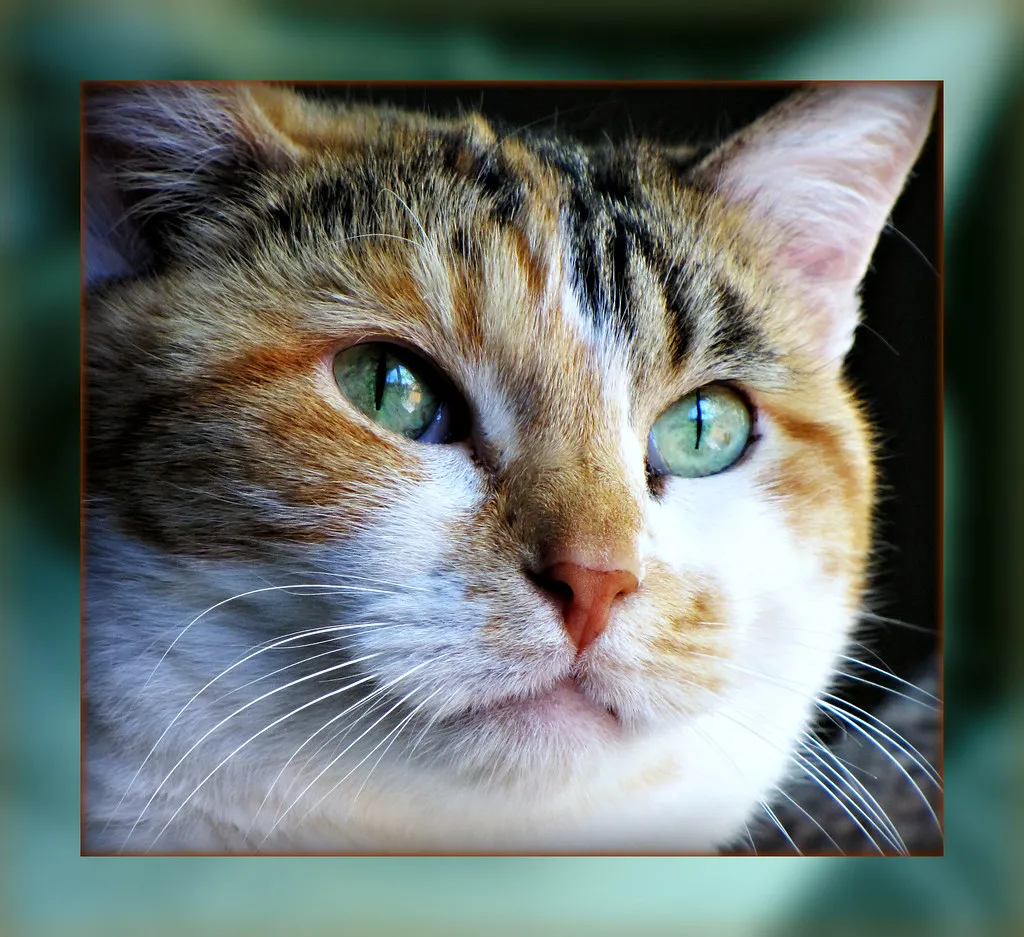
Looking after something helps when you feel alone because it reverses the direction of need: instead of being a person nobody is expecting, you become a person something is waiting for. That shift — from surplus to needed — is small, but it works on exactly the part of loneliness that hurts most.
Loneliness is partly the feeling of being surplus
There are two halves to feeling alone. One is the absence of company — no voices, no faces, nobody across the table. That half is obvious and gets all the attention.
The quieter half is the absence of being needed. It is entirely possible to feel this in a crowded office: the sense that if you did not turn up tomorrow, everything would proceed. Nothing waits for you specifically. Nothing goes unfed, unwatered, unwalked because you stayed in bed. You are, in the bleakest accounting, optional.
Care attacks that half directly. The moment something depends on you — a dog, a fern, a sourdough starter, a pixelated cat — you have stopped being optional to at least one thing in the world. The thing’s opinion of you may be simple. But it is an opinion, and it is yours to keep good.
The help runs in both directions
The strange arithmetic of care is that it appears to cost you — time, attention, the walk in the rain — and yet the carer usually comes out ahead. Anyone who has kept an animal knows the shape of this. You went out to walk the dog for the dog’s sake, and came back better yourself.
Part of it is structure: a creature’s needs put fixed points in a day that had none, and days with fixed points are easier to live through. That is the same mechanism that makes small rituals steady solitary work — except the ritual now has a stake in you turning up.
Part of it is plainer. Care gives you somewhere to put warmth that otherwise has no outlet. Feeling fond of something, and acting on the fondness, is not a lesser experience because the something is small. The fondness is real at your end, and your end is where you live.
Responsibility, scaled down to survivable
Here is the honest difficulty: when you are lonely or low, the standard advice — get a pet, volunteer, look after someone — can land as one more weight. A dog is a decade of walks. A friend in need deserves better than whatever you have left this week. Real care has real stakes, and stakes are exactly what a person running on empty cannot take on.
So there is a case for care with the stakes scaled down to survivable. A plant asks for water weekly and forgives a lapse. A virtual pet asks for minutes, not walks, and forgives everything.
In PetPomo the cat wants feeding and a bit of fuss during your breaks; it sleeps while you work; if you neglect it, it gets sad — and that is the whole downside. It never dies, never runs away, and nothing you have built is ever lost. The responsibility is real enough to feel and small enough to carry on the worst week of the year. Whether that narrow kind of company amounts to anything is a fair question, and worth answering honestly — but as a first rung on the ladder of looking after things, it asks less than anything alive.
Something expects you, so coming back is easier
The expectation cuts the other way too, and this is the part people underestimate. When you have been away — from work, from the routine, from everything — the hardest step is the first one back through the door. Returning to a to-do list means facing an audit. Returning to something you look after means being greeted.
A creature that is simply pleased you turned up makes coming back after a bad week cheaper than any amount of resolve does. You are not resuming a performance that was interrupted; you are rejoining something that missed you. Many people find that difference is what gets them across the doorstep at all.
What care for a small thing cannot do
It cannot know you. A virtual pet’s affection is a loop of behaviour, and on some level you never forget that. It cannot ask how you actually are, notice that you have gone quiet, or sit with you in the specific way a friend does. Care scaled down to survivable is also care scaled down — the comfort is real, and so is the ceiling.
The fair way to use it is as a foothold, not a destination. Looking after a small thing keeps the caring parts of you in working order during a stretch when people are scarce — so that when people are available again, those parts have not rusted shut. If the small thing is doing all the work of company in your life for months on end, that is worth noticing, gently, as a sign that you deserve more company than it can give.
If you want to try the scaled-down version, the cat is here and needs nothing from you but the odd break. Feed it, or feed a fern, or feed a neighbour’s actual cat — the mechanism is indifferent, and every version of it says the same useful thing: something is expecting you.
PetPomo is a timer, not a treatment. Nothing here is medical advice — if loneliness or low mood is weighing on you, a doctor or a specialist is the right person to talk to, and this page is no substitute.
Comments
Loading comments…
Keep reading 🐾
Can a virtual pet actually help with loneliness?
An honest look at whether a virtual pet helps with loneliness — the narrow company it can offer, what it can never replace, and why it still counts.
Company without judgement: presence that asks nothing
Why company that cannot judge you is sometimes easier than company that can, and what a silent, undemanding presence actually does for solitary work.
Loneliness and solitude are not the same thing
Solitude is aloneness you chose; loneliness is aloneness that happened to you. How structure and small presence can tip an empty room from one to the other.