Loneliness and solitude are not the same thing
· 4 min read
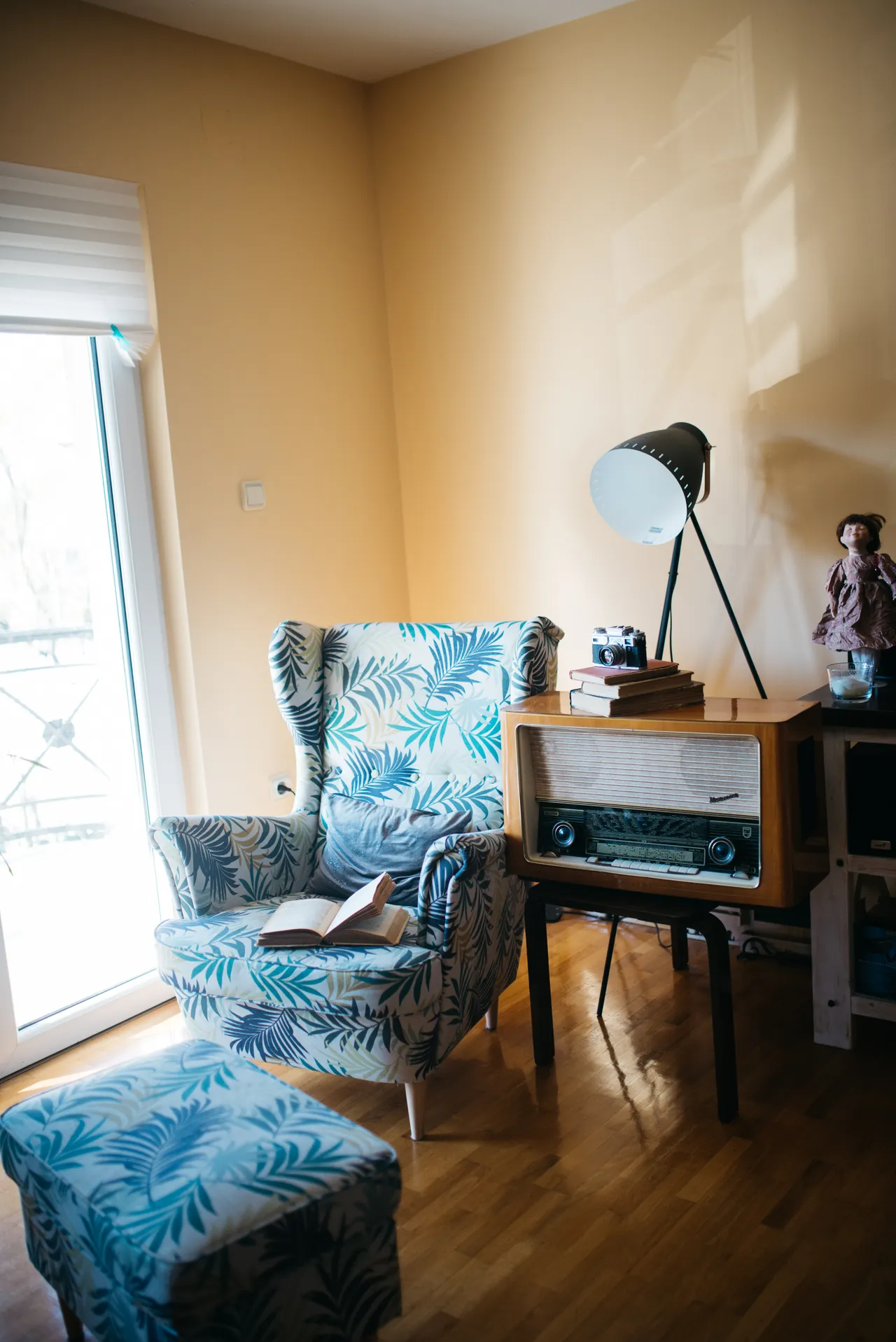
Loneliness and solitude are not the same thing: solitude is aloneness you chose, and loneliness is aloneness that happened to you. The room can be identical — same desk, same silence, same closed door — and hold either one, depending on almost nothing you can see from the outside.
The difference is consent
Strip everything else away and the line between the two is consent. Solitude is a door you closed; loneliness is a door that closed on you. A writer alone in a cabin for a month and a new arrival alone in a city flat for a month are in the same physical situation and opposite experiences, because one of them picked it.
This is why the standard prescriptions miss so often. Telling a lonely person to “enjoy their own company” is telling them to enjoy something they never agreed to — like recommending the food to a prisoner. And telling a contentedly solitary person they must get out more is solving a problem they do not have, usually to make the teller feel better.
The aloneness is not the variable. The choosing is.
The same room, two weathers
What makes this practical rather than philosophical is that the line moves. The same evening alone can start as solitude and curdle into loneliness by ten o’clock — or run the other way, when a dreaded empty Sunday turns out, around noon, to feel unexpectedly like freedom.
Anyone who works alone knows both weathers. There are days the silence is a material you build with: the hours are yours, nobody interrupts, and the work runs clear. And there are days the identical silence turns on you — every small sound is the flat settling, the group chat stays unread, and attention keeps sliding off the page toward the question of why nobody has called. That second weather has real costs; it is quietly corrosive to concentration in a way the first never is.
Same room. Same person. Different weather. Which suggests the useful question is not how do I stop being alone but what tips the room from one weather to the other.
What tips the balance
A few things reliably move the line, and none of them requires other people to arrive.
An end you chose. Aloneness with a shape — until six, until the chapter is done, until the timer rings — reads as solitude, because a thing with an edge is a thing you are doing rather than a thing happening to you. Open-ended aloneness is where loneliness breeds. This is the unglamorous reason a bounded work session can change the feel of an afternoon: it turns being alone into doing forty minutes, and forty minutes is chosen.
Something else alive in the room. Not conversation — inhabitation. A sleeping dog converts a silent house into a quiet one, and the difference between silent and quiet is nearly the whole difference between the two weathers. The presence does not need to be biological. Many people find a creature on a screen does a surprising fraction of the job — in PetPomo the cat sleeps through your focus sessions and potters about between them, and the room is very slightly inhabited either way. Whether that counts as real company is a fair question with an honest answer; what it inarguably does is keep the silence from being total.
Being expected somewhere, by something. Loneliness feeds on the sense that your absence would go unnoticed. The smallest standing appointment — the pet fed at the bell, the plant watered at noon — is a countering fact: something noticed. It asks nothing socially, which on the bad days is precisely its value; there is a whole case for presence that asks nothing, and this is a corner of it.
None of this manufactures friendship, and none of it is meant to. It moves the line, so that more of your alone hours land on the side you chose.
Protecting good aloneness
The other half of the distinction is the half nobody defends: solitude is worth protecting, and it is under more pressure than loneliness is.
Good aloneness is where the slow things happen — the reading that is not skimming, the thought that takes an hour to arrive, the work that needs you to go silent to hear it. A person who never gets solitude is deprived of something real, even if their calendar is full and their loneliness is nil.
The threat to solitude is rarely people at the door; it is the phone flattening every alone moment into an away-from-the-feed moment. An empty hour with a phone in reach is not solitude, and it is not company either — it is a queue. If your aloneness always curdles, it is worth checking whether it was ever actually solitude, or just unattended time waiting to be scrolled.
So the practical work runs in both directions. Give your aloneness edges and a little presence so it does not slide into loneliness — a timer with a small sleeping witness is one cheap way — and then guard the result, because chosen aloneness is not a deficiency to be fixed but a room of your own with the door handle on the inside.
PetPomo is a timer, not a treatment. Nothing here is medical advice — if loneliness is weighing on you, a doctor or a specialist is the right person to talk to, and this page is no substitute.
Comments
Loading comments…
Keep reading 🐾
Why looking after something helps when you feel alone
Caring for something — even a small virtual pet — can ease the feeling of being surplus when you are alone. How that works, and where the help runs out.

Can a virtual pet actually help with loneliness?
An honest look at whether a virtual pet helps with loneliness — the narrow company it can offer, what it can never replace, and why it still counts.

Working from home and the isolation nobody schedules for
Offices supplied company nobody planned — kettle queues, overheard jokes. Working from home removed it without replacing it. What to put back, and how.