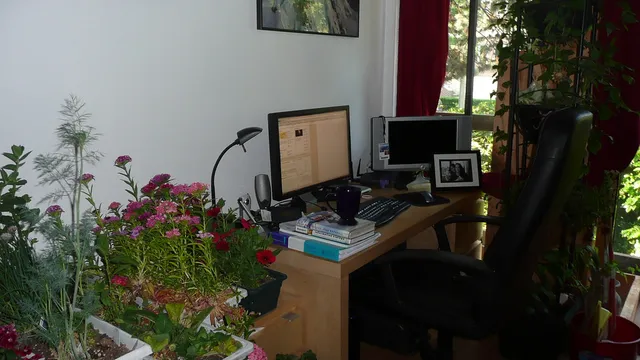
A work-from-home routine built around breaks, not hours
A work from home routine that treats breaks as the skeleton of the day — real edges, breaks that actually restore, and an ending you choose.
22 articles on this topic. Or jump to another:
A work from home routine that treats breaks as the skeleton of the day — real edges, breaks that actually restore, and an ending you choose.
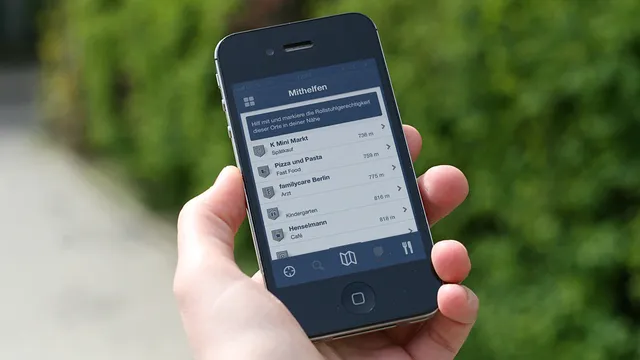
Productivity apps rarely fail on features. They fail because nothing notices when you leave — and because streaks make coming back feel worse.
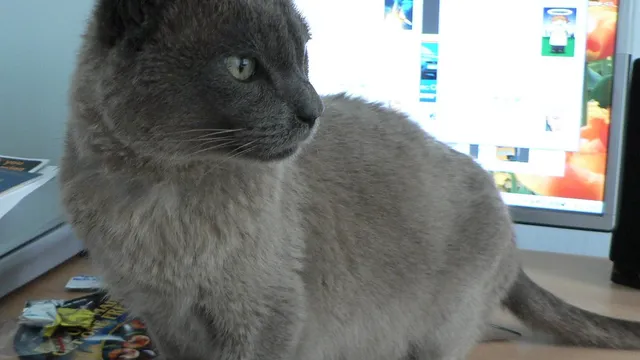
Plain timers are easy to abandon because nothing notices. A pet that reacts to your sessions borrows a much older motivation, and that changes the odds.
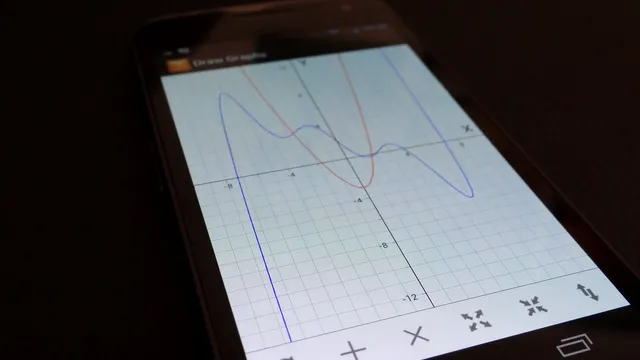
Focus time tracking stats are a mirror, not a scoreboard. Which numbers deserve your trust, which ones flatter you, and how to read a week kindly.

The same mug, the same start sequence, a small creature fed at the bell: how repeated work rituals give solitary days edges and a quiet sense of company.
Why small, immediate rewards suit ADHD motivation better than distant payoffs — and where honest gamification ends and manipulation begins.

A workday holds fewer pomodoros than you think. How to plan by sessions instead of hours, leave slack on purpose, and review the week without guilt.
Pomodoro sessions fail when they carry three tasks. Why naming one task before you press start matters more than the timer itself, and how to slice big work.

How to finish tasks when everything trails off instead of ending — give work an honest finish line, close the open loops, and let a bell say done.

External structure for ADHD means outsourcing time-sense to alarms, visible timers and other people — prosthetics, not crutches, and nothing to apologise for.
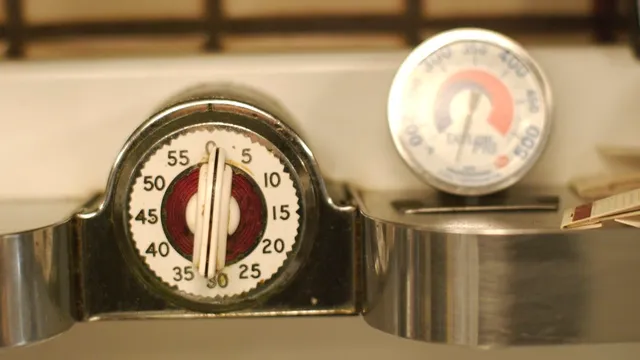
25 minutes is a convention, not a rule. Why ADHD brains often need a different session length, and how to actually find yours.

Short, specific ways to spend the five minutes between meetings so they actually recover your attention, backed by what the break research says works.

An honest comparison of Forest, Finch and PetPomo — device support, cost, what grows or dies, and which one actually fits your reasons for wanting one.

Does adding a virtual pet to a pomodoro timer actually help you focus, or is it just decoration? What the evidence says, honestly.

Many productivity apps use guilt and broken streaks as the motivator. For rejection-sensitive dysphoria, that design is actively counterproductive.

Streak counters are supposed to motivate you. For a lot of people they do the opposite the moment one breaks. What the research says, and a better design.

The hardest part of a 25-minute session is the first ten seconds. A smaller rule to get past the moment before you press Start.
The real psychology behind why a fake creature can create genuine caregiving feelings — and what that has to do with getting work done.

No account, no paywall, no upsell — what that actually means technically, and why it's a real design decision, not a missing feature.

The hardest part of a bad week is the return. How to pick tools that greet you instead of auditing you, and why one small session counts as coming back.

ADHD time blindness is knowing time exists without feeling it pass. How visible countdowns, bells and a sleeping cat turn time into an object you can use.
Task initiation with ADHD — why the wall between intending and beginning exists, and how a smaller commitment plus a start ritual lowers the cost.