What the science says about caring for a virtual pet and focus
· 3 min read
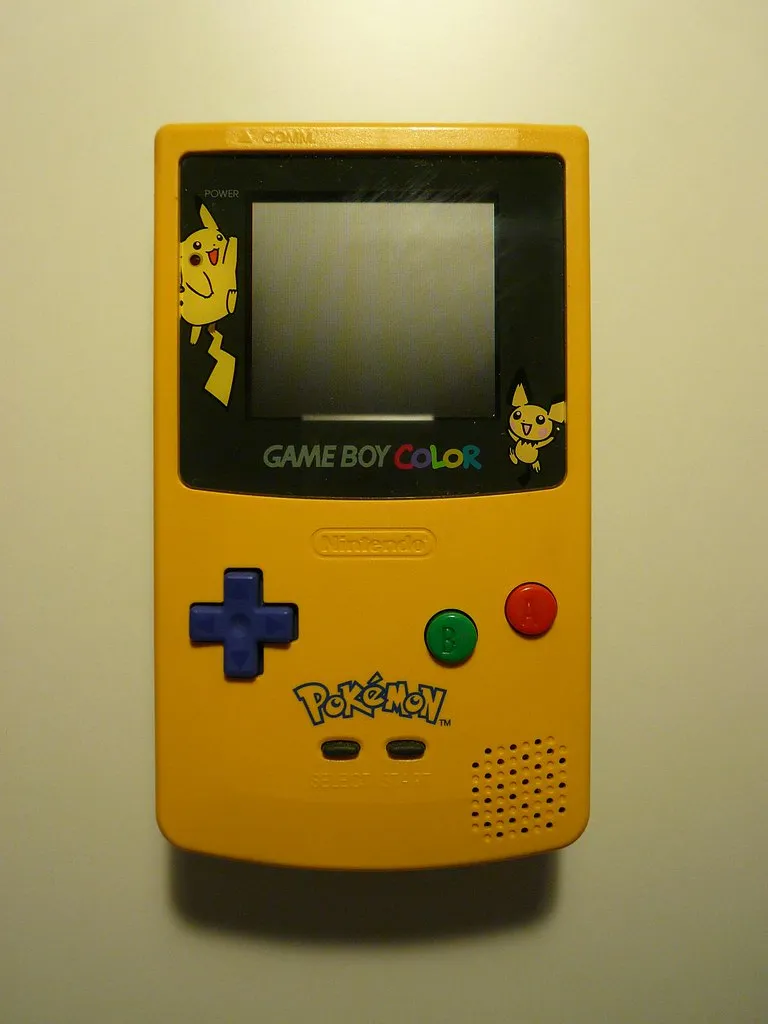
In 1996 a small plastic egg convinced an entire generation to feed something that wasn’t alive, on a schedule, or feel bad about it. That wasn’t a fluke of marketing. It’s a real, replicable response with a name — the Tamagotchi effect — and it’s worth understanding properly rather than treating as a cute footnote, because it’s the actual mechanism behind every virtual pet built since, PetPomo included.
The brain doesn’t carefully check for “real”
Developmental psychologist Alison Gopnik has a useful way of putting the underlying idea: “we don’t care for others because we love them, we love them because we care for them.” The direction of causation is backwards from how it feels — the act of caregiving is what forges the attachment, not the other way around. A creature that requires the right kind of ongoing attention triggers that loop whether or not anything is actually alive inside it.
Part of why this works so reliably comes down to a specific set of visual cues — a large head relative to the body, big eyes, a small round shape — that ethologists call the “baby schema.” Those cues trigger nurturing responses in humans somewhat automatically, and a screen is entirely capable of displaying them convincingly enough to fire the same circuitry a real animal or infant would.
What the actual research supports
A recent narrative review in Entertainment Computing, synthesizing 45 academic sources across health science, human-computer interaction and artificial intelligence, is one of the more serious attempts to take virtual pets seriously as a research subject rather than a novelty. It documents real use of virtual pets in therapeutic settings — with children, and separately with elderly patients — specifically for their capacity to support emotional and physical well-being, not just entertain.
| Claim | What the evidence shows |
|---|---|
| Genuine emotional attachment forms toward virtual pets | Well documented — this is the named, studied “Tamagotchi effect” |
| The mechanism runs through real caregiving psychology, not novelty | Supported — ties to baby-schema cue research in ethology |
| Virtual pets have been used clinically for well-being support | Documented in specific populations (children, older adults) |
| The field overall is well-studied | Not yet — the review itself notes virtual pets remain comparatively under-researched given how widely used they are |
That last row is worth taking seriously rather than glossing over. The mechanism is real; the specific claim “a virtual pet improves focus-session completion” is a reasonable extension of that mechanism, not something with its own dedicated body of trials yet.
Why this connects to a timer at all
Whether the pomodoro technique itself is backed by science is a separate, answerable question. What the Tamagotchi effect explains is a different layer entirely — not whether 25-minute blocks work, but why a companion mechanic changes whether you show up to use them at all. Body doubling with a virtual pet draws on the same underlying caregiving response, applied to presence rather than care tasks.
None of this requires believing anything false. You can know completely that a cat rendered in a browser isn’t sentient and still, provably, form the kind of bond that changes your behavior — that’s not a contradiction, it’s just how the circuitry in question actually works.
PetPomo is a timer, not a treatment. Nothing here is medical advice, and the therapeutic uses of virtual pets mentioned above are cited as research context, not a claim about what this app does — if wellbeing is genuinely weighing on you, a doctor or a specialist is the right person to talk to.
Comments
Loading comments…
Keep reading 🐾

Coming back after a bad week
The hardest part of a bad week is the return. How to pick tools that greet you instead of auditing you, and why one small session counts as coming back.

Why productivity apps get abandoned within a fortnight
Productivity apps rarely fail on features. They fail because nothing notices when you leave — and because streaks make coming back feel worse.
Why a virtual pet makes focus timers stick
Plain timers are easy to abandon because nothing notices. A pet that reacts to your sessions borrows a much older motivation, and that changes the odds.