Company without judgement: presence that asks nothing
· 4 min read
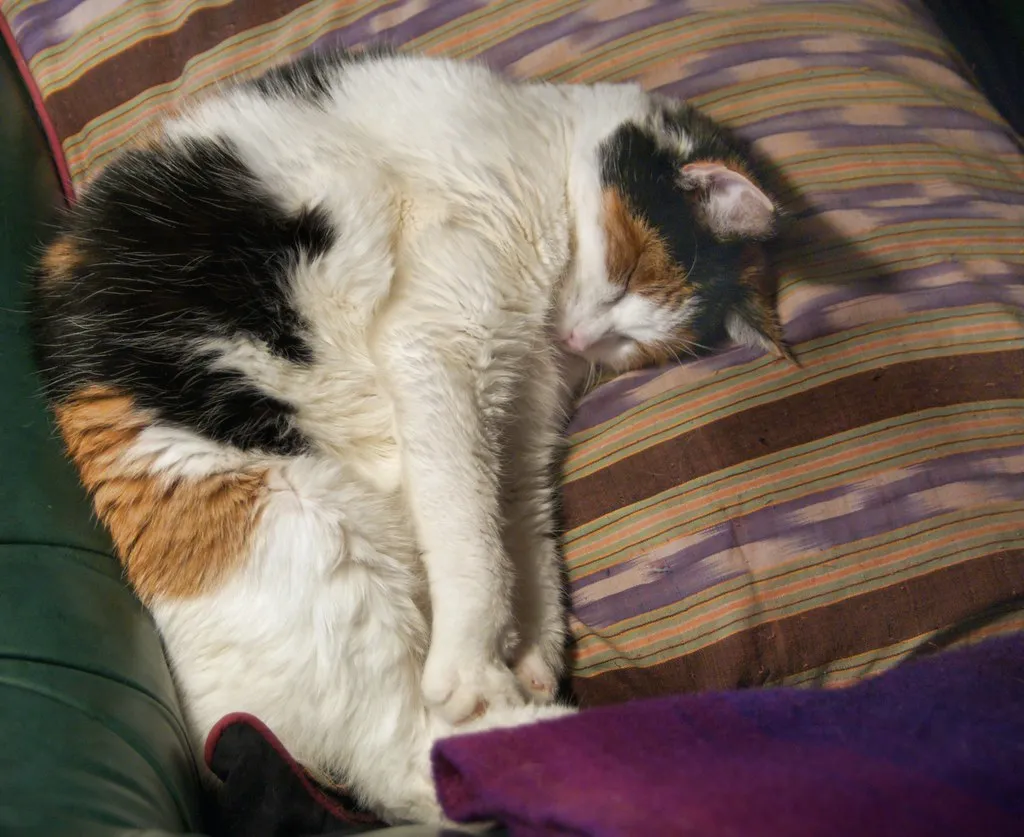
Company that cannot judge you is sometimes easier than company that can, because every human presence — however kind — arrives with an audience fee: you are seen, so some part of you starts performing. A presence that asks nothing lets you be accompanied without being assessed, and for a lot of solitary work that turns out to be the only kind of company that helps more than it costs.
Every human witness charges a fee
Think about what actually changes in a room when another person enters it. Nothing they do — their presence alone rearranges you. You sit differently. You become aware of your screen, your pace, the fact that you have read the same paragraph four times. Some inner press officer wakes up and starts managing how the work looks, and the press officer is paid in attention that was meant for the work.
This is not shyness and it is not weakness; it is what social awareness is. Around people, part of you attends to people. The fee varies — smaller with old friends, larger with strangers and managers — but it is never zero, and on days when you are tired or behind or fragile, it can eat the whole budget. Which produces the familiar paradox of the open-plan office and the busy café: surrounded by company, starved of the good it was meant to do.
The paradox sharpens when you need help most. The lonelier or further behind you are, the more you want someone there — and the more their watching costs, because now there is something to hide.
Presence and judgement come apart
The mistake is assuming the two things are a package: that to get the warmth of company you must pay the fee of being assessed. They come apart cleanly, and everyone has felt them apart at least once.
Anyone who has worked in a room with a sleeping dog knows the arrangement. The dog is unmistakably there — the room is inhabited, the silence is shared rather than empty — and the dog holds no opinion of your first draft. You cannot disappoint it by procrastinating. It has no idea what procrastinating is. All presence, no verdict.
This is the quiet engine inside body doubling: the version that works best is usually not a colleague monitoring you but a person simply existing nearby, absorbed in their own work. And it explains the millions of hours of study-with-me videos — a stranger on a screen who cannot see you at all is presence with the judgement dialled to zero, which is precisely why it feels restful instead of invasive. The witness effect survives; the press officer stays asleep.
The digital cousins of the sleeping dog
Animals are the ancient technology here, and their digital cousins borrow the trick. A creature on a screen cannot judge you for the plainest of reasons — there is nobody in there to do the judging — and yet the room still reads as inhabited, in the same low-level way it does with the dog.
The design has to respect the arrangement, though. A companion that demands things mid-task has broken the contract; it has become a tiny colleague tapping your shoulder. In PetPomo the cat’s entire job during a focus session is to sleep. It wants feeding and fuss only in the breaks, its moods reflect how it has been treated rather than how much you produced, and it holds no opinion whatsoever about the quality of your work — it cannot, and that is the feature. What you get is the minimum viable companionship: something alive-ish in the corner, wholly indifferent to your performance, faintly pleased you exist.
It sounds like almost nothing. For work that has to be done alone anyway, almost nothing is often the correct dose — enough presence to keep chosen solitude from curdling into loneliness, not enough to start charging the fee.
What it does — and what it doesn’t replace
Be precise about the claim, because it is easy to oversell. Undemanding presence does a small number of things well. It makes a silent room quiet instead of empty. It supplies a body-double’s gentle gravity — someone is here, so this is a place where staying put makes sense. It gives the bad drafts and the slow days somewhere to happen unobserved, which is where bad drafts and slow days need to happen.
What it cannot do is anything requiring a mind on the other end. It will never tell you the draft is actually fine, or that you are working yourself into the ground, or that you have misread the brief entirely. Judgement, it turns out, is also the active ingredient in advice, perspective and being truly known — company that can never wound you can never quite reach you either. A life furnished only with unjudging presence is under-furnished, however comfortable.
So use each kind for what it is for. People, with all their expensive watching, for the conversations that change things. Asking-nothing presence — the reasons a pet works here at all come down to this — for the long unwitnessed middle of the work, where you mostly need the room to feel less empty while you get on with it. If you want to try the arrangement, the cat is already asleep, which is exactly the point.
PetPomo is a timer, not a treatment. Nothing here is medical advice — if loneliness is weighing on you, a doctor or a specialist is the right person to talk to, and this page is no substitute.
Comments
Loading comments…
Keep reading 🐾
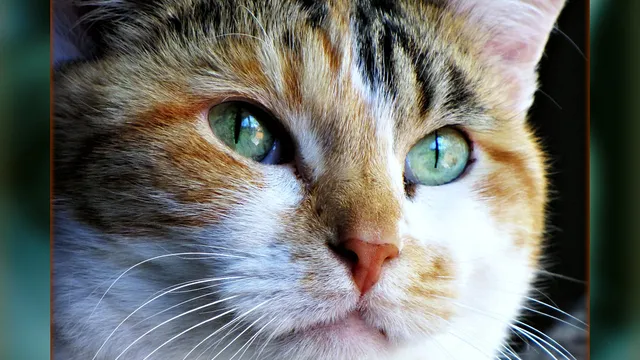
Why looking after something helps when you feel alone
Caring for something — even a small virtual pet — can ease the feeling of being surplus when you are alone. How that works, and where the help runs out.
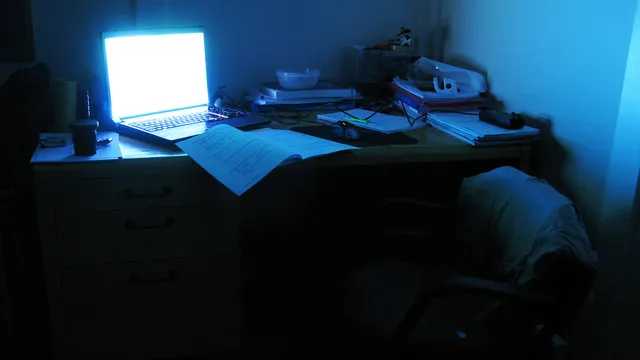
Studying alone without feeling alone
Studying alone is two jobs — the material and the silence. How to make a room feel inhabited without inviting distraction in, and why it helps.
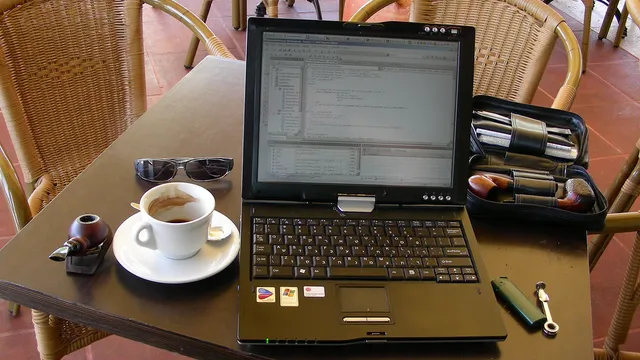
Body doubling without video-call anxiety
Every popular body doubling tool assumes you're comfortable on camera. What to do when the camera itself is the barrier, not the working alone.