Studying alone without feeling alone
· 4 min read
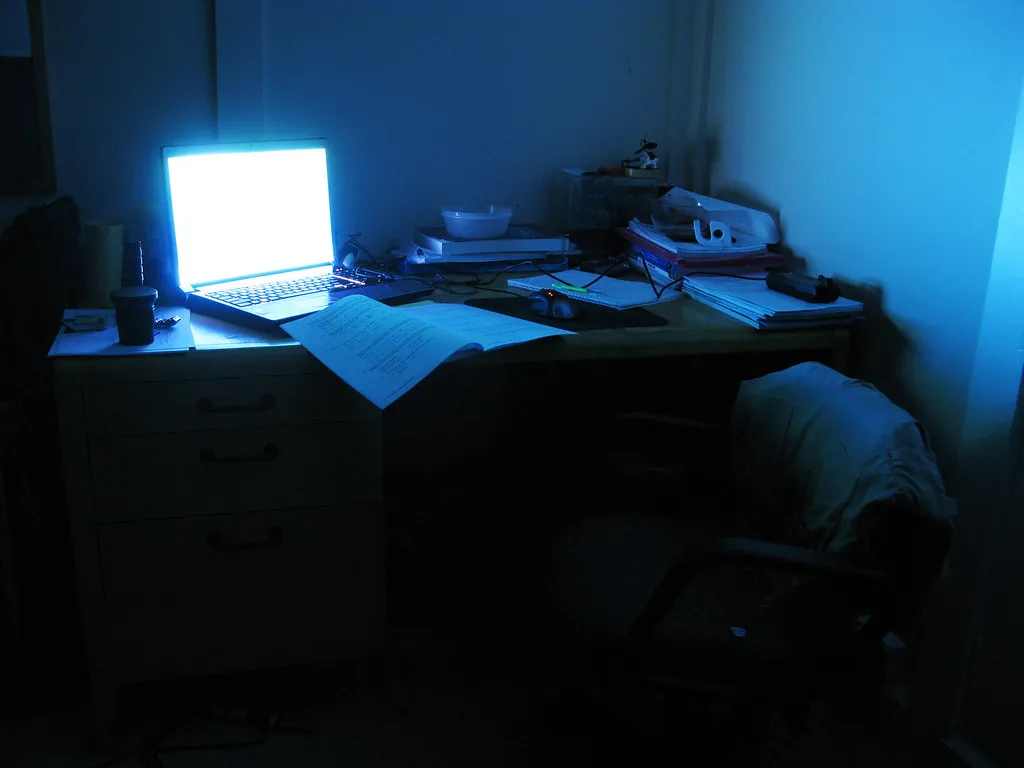
Studying alone is two jobs at once: learning the material, and withstanding the silence around it. The first job is the one on the syllabus. The second is the one that actually decides how long you last at the desk — and the trick to solitary study is not to eliminate the silence but to furnish it, so the room feels inhabited without anything in it competing for your attention.
The silence is a second workload
People plan for the material — chapters, past papers, hours. Almost nobody plans for the silence, and the silence is what wins most of the time.
An empty room has a particular quality after the first hour. The quiet stops being restful and starts being loud. You become aware of yourself studying — the only moving thing in the scene — and the awareness curdles into questions the textbook cannot answer: is everyone else doing this with friends? Why does this feel so heavy today? The material was hard but fair; the silence fights dirty, because it attacks your reasons for sitting there at all.
This is why solitary study collapses in a characteristic way. It is rarely the difficulty of the work that ends the session. It is the moment the loneliness of the arrangement becomes more noticeable than the page — the point where loneliness starts spending the concentration you needed. The phone appears not because the phone is interesting but because it is the nearest exit from the quiet.
Naming the second job changes how you prepare for it. You would not attempt the material without a plan; the silence deserves one too.
Distraction and company are different purchases
The obvious counter to silence is noise, and it half-works, which is why everyone tries it. Music, podcasts, television murmuring in the corner — anything to make the room less empty.
The trouble is that most noise is not company, it is content, and content bills you. A podcast wants the same verbal attention the textbook needs. Television wants your eyes. Even lyric-heavy music quietly taxes the reading. You traded the silence for something worse: a competitor.
The distinction worth learning is between things that fill the room and things that inhabit it. Company, in the useful sense, has its own small existence that runs alongside yours without requesting anything — rain against the window, a cat asleep on the spare chair, the murmur of a café. Content, by contrast, is aimed at you. The test is simple: if it would carry on identically whether or not you attended to it, it is company. If it is performing for you, it is a competitor with better production values than your textbook.
Furnish the silence with company. Be stingy about content.
Making the room feel inhabited
In practice, inhabitedness comes from modest ingredients, layered.
Sound with no argument in it: rain, a fan, wordless noise. Light that makes the desk a place rather than a surface — one warm lamp does more for a long evening than a bright ceiling. And, strongest of the three, something in the scene with its own schedule: a presence that changes state over time, independent of you, so the room demonstrably contains more than one ongoing life.
This last ingredient is what pets supply, real or otherwise, and it is why they beat static ambience. A candle flickers but does not live. A creature sleeps, wakes, wants things at certain hours — it gives the room a second timeline. In PetPomo the cat sleeps while you focus and wakes at the break wanting food or a game, and the scene behind it shifts with the actual weather and the time of night, so a long revision evening visibly passes somewhere other than your own tired head. Many people find that this alone changes the feel of a session: you are no longer the only thing happening.
Whole communities have converged on the same discovery from another direction — millions of students keep a stranger silently working on a second screen for exactly this reason. The witness matters more than the words.
Give the session edges, not just atmosphere
Inhabitedness gets you into the chair; structure keeps the evening from dissolving. An open-ended stretch of “revision” is the loneliest possible format, because it has no milestones at which anything acknowledges you.
Sessions with edges fix this cheaply. One task, one bounded block, a break that actually contains something — food, standing, feeding the cat — then again. Each bell is a small event in the room, a moment where the evening has a pulse. The full walkthrough of a session built this way was written with ADHD in mind, but the shape helps anyone studying alone, because edges are company of a kind: they are moments when the structure, at least, notices you.
The break deserves to be treated as the social moment of the hour, even when nobody else is in it. Leave the desk. Make the tea properly. Feed the cat — real or pixel — and let it be pleased with you. Five minutes spent being somewhere other than the chair does more for the next session than five minutes of scrolling in it, because it proves the evening contains more than one room.
A closing thought on scale, because honesty matters more here than encouragement: none of this is friendship, and it is not meant to be. Lamps, rain sounds and a pixel cat make solitary studying feel accompanied enough to continue — that is the whole claim. The people in your life still need to hear from you between chapters, and a message to a friend at the long break is worth more than any ambience.
PetPomo is a timer, not a treatment. Nothing here is medical advice — if loneliness or low mood are weighing on you, a doctor or a specialist is the right person to talk to, and this page is no substitute.
Comments
Loading comments…
Keep reading 🐾

Why millions study with strangers on video
Study with me videos are hours of a stranger silently working — and they help. What that quiet company supplies, what it costs, and calmer versions.

Company without judgement: presence that asks nothing
Why company that cannot judge you is sometimes easier than company that can, and what a silent, undemanding presence actually does for solitary work.

Why looking after something helps when you feel alone
Caring for something — even a small virtual pet — can ease the feeling of being surplus when you are alone. How that works, and where the help runs out.