Why millions study with strangers on video
· 4 min read

People study with strangers on video because a silent stranger at a desk supplies three things studying alone lacks: a witness, a pace, and permission to sit still. That is the whole product. A study-with-me video is hours of someone quietly working — no teaching, no talking, sometimes not even music — and it works for exactly the same reason a full library reading room works better than an empty one.
The strangest genre on the internet, on paper
Described cold, the format sounds like a mistake: a fixed camera, a person you will never meet, writing notes for two hours. Nothing happens. That is not an exaggeration for effect — nothing happening is the format. Some streams add a timer in the corner and the soft click of a keyboard, and that is the entire show.
And yet the viewing figures are enormous, the comment sections are full of people saying finished my chapter, thank you, and many viewers return to the same stranger’s desk every day for months. When that many people keep choosing something with no content, the sensible conclusion is that the content was never the point. The company was.
A witness changes the texture of work
The first thing the stranger supplies is a witness. This is the same mechanism as body doubling — work goes easier when someone else is simply present, even if they never look at you, even if they could not care less what you do.
Part of it is gentle accountability: wandering off feels slightly different when someone is, in some loose sense, there. But the deeper part is that a witness makes the work feel real. Studying alone in a silent room can feel like it is happening to nobody, for nobody. The moment another human being is at the edge of it — even through a screen, even recorded last year — the session acquires a small social weight. You showed up in front of someone.
That the witness cannot actually see you turns out to matter less than you would expect. The feeling does the work, not the fact. Plenty of people study to recordings made years ago and get the full effect; the live streams add only one thing more — a shared clock, hundreds of strangers breaking at the same minute — which is pleasant but not essential to the mechanism.
Borrowed pace, and permission to sit still
The second supply is rhythm. Most study-with-me streams run a visible pomodoro cycle — the stranger works, a timer counts, everyone breaks together. Viewers inherit a structure without having to impose one on themselves, which is genuinely easier: keeping your own rules requires authority over yourself that tired people do not always have. Keeping someone else’s rhythm just requires staying in the room.
The third supply is subtler: permission. Sitting still for two hours with a book feels vaguely illegitimate to a mind trained on feeds — surely you should be doing something faster. Watching another person do exactly this, calmly, as though it were normal, makes it normal. The stream is proof that this is a thing people do, and you are one of the people doing it.
None of this requires conversation, which is precisely the appeal for many. It is presence without conversation — all of the accompaniment, none of the performance.
The cost: company that lives next door to the circus
Here is the honest problem with the format. The quiet stranger lives on a video platform, and the platform is not quiet. The company arrives wrapped in a sidebar of recommendations, an autoplay queue, a comment box, and an algorithm whose entire purpose is to make you watch something other than a person silently reading.
So the tool carries its own hazard: you open the site for two hours of calm witness and surface forty minutes later, three videos deep into something else. The stream also ends, or buffers, or the streamer takes a week off — your structure is rented from someone else’s schedule. And it needs a connection and a spare screen, which is one more glowing rectangle in a setup that was meant to reduce them.
None of this means the format fails. It means the mechanism is better than the venue.
The same mechanism, in quieter forms
Strip study-with-me to its working parts — a presence, a shared rhythm, a session with edges — and it becomes portable. A friend on a silent video call. A library seat. A real cat asleep on your notes.
PetPomo is one more shape of the same idea, chosen for the venue problem above: the witness lives inside the timer instead of next to the distractions. A cat lies down to sleep when your session starts and wakes when the bell rings, so the presence and the rhythm come from the same place, with no sidebar attached, and it works offline in an ordinary pomodoro cycle you control rather than rent. It is a smaller presence than a human at a desk — a pixel cat carries less social weight than a person — but it is always available, and it never autoplays into anything.
Which shape suits you is temperament, not correctness. Some people need the human face; some find a room made to feel inhabited by quieter means is enough. The thing worth keeping, whatever the container, is the discovery underneath the whole genre: studying was never meant to be done entirely alone, and it does not have to be.
PetPomo is a timer, not a treatment. Nothing here is medical advice — if studying feels impossible or isolation is weighing on you, a doctor or a specialist is the right person to talk to, and this page is no substitute.
Comments
Loading comments…
Keep reading 🐾
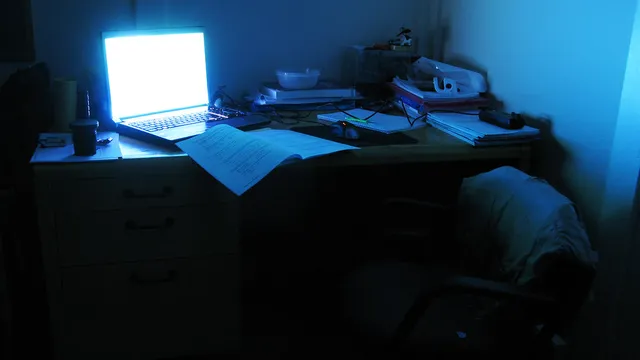
Studying alone without feeling alone
Studying alone is two jobs — the material and the silence. How to make a room feel inhabited without inviting distraction in, and why it helps.
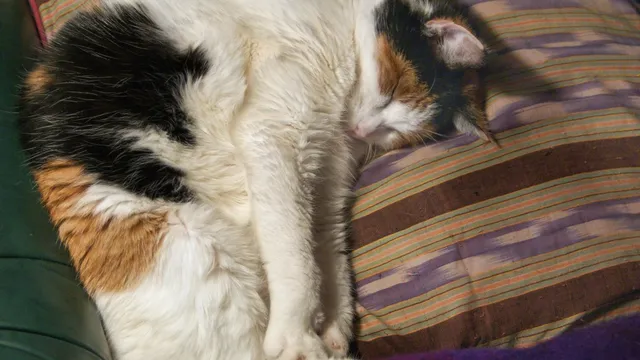
Company without judgement: presence that asks nothing
Why company that cannot judge you is sometimes easier than company that can, and what a silent, undemanding presence actually does for solitary work.
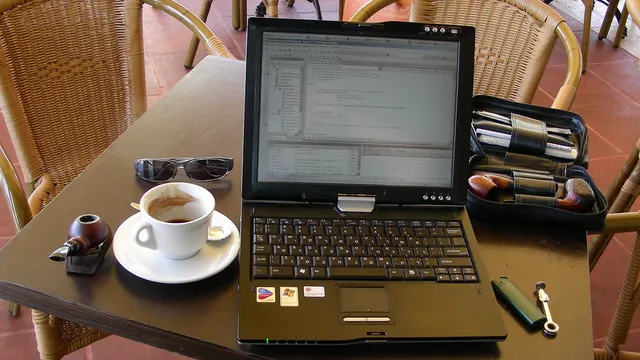
Body doubling without video-call anxiety
Every popular body doubling tool assumes you're comfortable on camera. What to do when the camera itself is the barrier, not the working alone.