Finding real focus blocks between meetings
· 4 min read
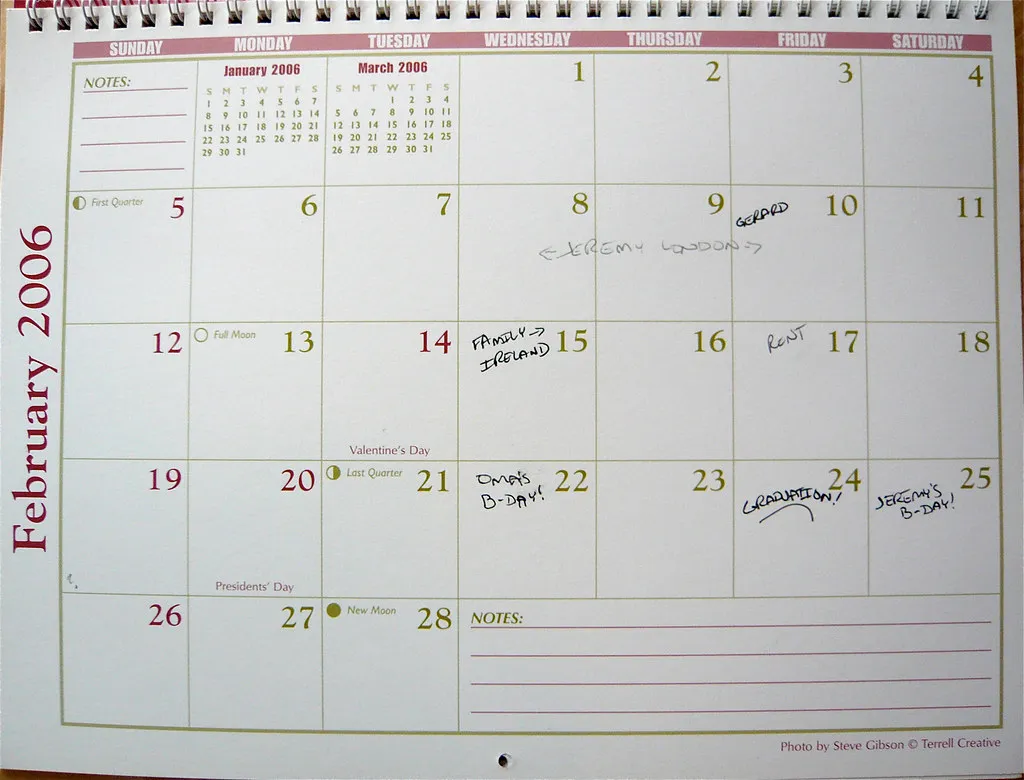
The real focus blocks between meetings are usually one pomodoro long. The classic gap — forty minutes between one call ending and the next beginning — is too short to start anything grand and too long to surrender, and a single bounded session fits it almost exactly. The skill is not finding more time. It is treating the time you already have as usable.
The forty-minute gap problem
Everyone with a meeting-heavy calendar knows the gap. The call ends at ten past; the next one starts at ten to. What lives in between is a strange dead zone: too short, you feel, to open the real work — by the time you have found your place in it, you would have to leave again — and too long to spend honourably on nothing. So it gets spent dishonourably on nothing: email is checked, Slack is scrolled, a document is opened and looked at rather than worked on. The gap closes, the next call begins, and the day’s verdict is already forming: no time to actually work today.
Multiply the gap by four or five and the arithmetic becomes uncomfortable. The dead zones between meetings often add up to more than two hours — the largest block of discretionary time in the day, dissolved into nothing by the belief that it was too fragmented to count.
Deep work doesn’t fit; a session does
The belief is half right. The gap really is too short for the open-ended, settle-in-and-lose-yourself mode people mean by deep work. That mode wants an unbroken horizon, and the gap has a wall at both ends.
But a pomodoro was never open-ended. A bounded session doesn’t need a horizon; it needs edges, and the gap supplies both — one meeting just built the start line and the next has already built the finish. Twenty-five minutes on one named task fits inside forty with room for a breath on either side. It will not produce a masterpiece. It will reliably produce twenty-five minutes of actual progress, which is twenty-five minutes more than the scroll produces, four or five times a day.
The reframe matters: you are not failing to do deep work in the gap. You are doing gap-shaped work in a gap.
Defend the edges
Two habits decide whether the session happens.
The first is starting fast. The gap begins dying the moment the call ends — two minutes of drift becomes ten with no perceptible transition. The counter-move is to make starting mechanical: task named before the meeting ends (written down, one line), timer started within a couple of minutes of leaving the call. No inbox first, no “quick look” at anything. The inbox is a corridor lined with doors, and you have twenty-five minutes.
The second is sizing the session to the gap, not the other way round. A thirty-minute gap holds a twenty-minute session perfectly well — PetPomo’s session length is adjustable for exactly this, and the cat sleeps just as soundly for twenty minutes as for twenty-five. A session that ends five minutes before the next call is a success. A session that was still running when the call started is how the whole practice gets abandoned.
Those few spare minutes at the end are not waste, either. They are the break, miniaturised: stand up, look out of a window, feed the cat. Arriving at the next meeting having rested for three minutes beats arriving having worked until the final second, slightly breathless and still half inside the task.
The bell is a meeting-safe exit
Here is the quiet reason a timer works in the gap when willpower doesn’t: the fear of over-running is what stops most people descending into real work between meetings. Without a timer, going deep is risky — you might surface at five past, flustered and late — so attention hedges, staying shallow enough to keep one eye on the clock. And clock-watching is just context switching in slow motion: every glance at the time is a small unload and reload of the work.
The bell removes the hedge. Something reliable is standing guard, so attention is free to go all the way down. You will be pulled out in time, composed, with a note of where to resume. The bell isn’t the interruption — the meeting was always going to interrupt. The bell is what lets you commit knowing the exit is handled.
There is a small pleasure, too, in walking into the next call having actually finished something, with a woken cat and a coin to show for it rather than forty minutes of residue.
A day of gaps is still a day
None of this rescues a calendar that is genuinely wall-to-wall; some days hold no gaps and pretending otherwise helps nobody. But most meeting-heavy days hold three or four, and three or four finished sessions is — by the honest arithmetic of what a day actually contains — a respectable day’s focused work, extracted from time that was previously written off.
It helps to plan the gaps like the sessions they are: look at the calendar in the morning, spot where they fall, and assign each one a task in advance, the way you would any other block. The office-adapted version of the technique is mostly this kind of salvage — not carving out mythical four-hour stretches, but refusing to let the real forty-minute ones dissolve.
The gaps were always there. A timer doesn’t create them. It just stops them being spent on the peculiar, tiring non-rest of waiting for the next meeting to start.
Comments
Loading comments…
Keep reading 🐾
What your focus stats actually tell you — and what they don't
Focus time tracking stats are a mirror, not a scoreboard. Which numbers deserve your trust, which ones flatter you, and how to read a week kindly.

Why skipping breaks makes ADHD focus worse, not better
Skipping breaks does not bank extra ADHD focus — it borrows from the next session. Why a real break needs content, not just an absence of work.
Making the Pomodoro Technique survive an office job
The Pomodoro Technique was designed for people who control their own time. Here is how to make it survive Slack, meetings and an open-plan office.