Hyperfocus: when the problem is stopping, not starting
· 5 min read
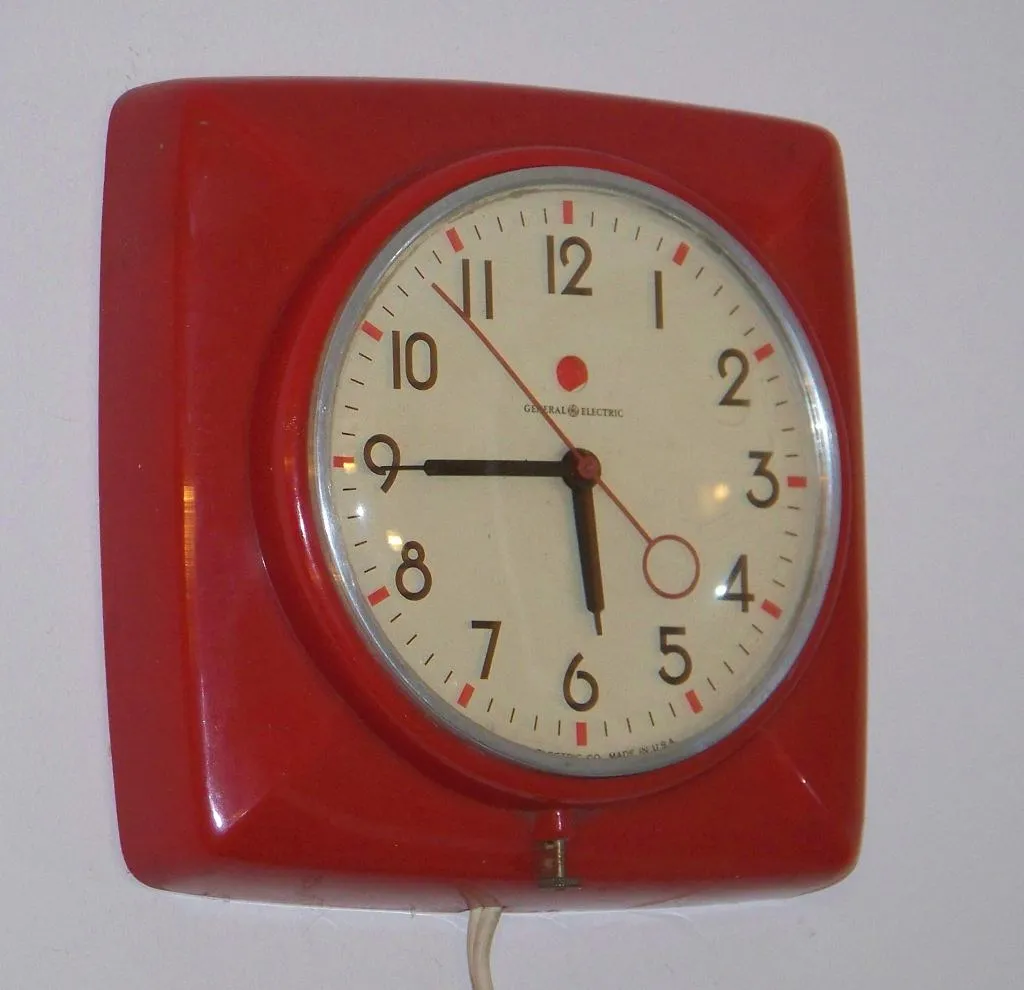
Hyperfocus is focus without brakes. Most of the ADHD conversation is about attention that won’t arrive; hyperfocus is attention that won’t leave — surfacing at 9 p.m. from something you sat down to at two, meals skipped, messages unread, one task magnificently advanced at the expense of every other thing the day was supposed to hold. If that is your pattern, the most valuable thing a timer does is not start. It is ring.
The superpower framing hides the invoice
Hyperfocus gets talked about as ADHD’s consolation prize, and the framing is not entirely wrong — from inside, a locked-in stretch feels wonderful, and real things get built in those trances. Anyone who has one knows why people defend it.
But the framing quietly hides the invoice. The hours came from somewhere: the other tasks, the meal, the walk, the person you were meant to call, the sleep. Hyperfocus doesn’t grant time, it reallocates it — away from everything that couldn’t compete for interest, toward the one thing that could. And interest is not importance. The trance settles on whatever hooks it, which is as often a side quest, a rabbit hole, or the fourteenth polish of a finished thing as it is the work that mattered.
The tell is how it ends: not with a decision, but with depletion. You don’t stop because the work reached a good pause. You stop because your body finally out-shouted the task — hungry, aching, blinking at the clock doing the terrible arithmetic. Focus that only ends when you hit a wall isn’t a superpower. It’s a vehicle with an accelerator and no brake pedal, and the fact that it goes fast is not the whole story.
You cannot be your own interruption
The obvious fix — notice when it’s been long enough and stop — fails for the same reason it was needed. Noticing requires standing partly outside the task, checking the time, weighing the day. Hyperfocus is precisely the state in which no part of you is standing outside the task. Asking the trance to monitor the trance is asking the flooded room to bail itself out.
Interior alarms don’t survive the state; the intention to “just check the clock occasionally” is the first thing the trance eats. What survives is noise from outside — a sound that fires whether or not you remembered it existed, and keeps existing whether or not you were paying attention.
This is the under-sold half of every session timer. The start of a bounded interval gets the press, because starting is most people’s problem. But the same bell that opens a session also closes it, and for a hyperfocuser the closing bell is the entire product. When you begin a session in PetPomo, you are not really setting a reminder to work — you’re already going to work. You are scheduling an interruption, in advance, while the sober part of you is still in charge. The bell is a letter from 2 p.m. you, delivered to 2:50 p.m. you, saying: surface.
The bell only asks a question — but it makes you answer it
An honest objection: sometimes the bell rings and the work genuinely is going well, and stopping dead would waste a rare good state. The classic advice for flow applies — the method should bend rather than break here.
But notice what the bell has already accomplished by ringing. Without it, continuing wasn’t a decision; it was a default, unexamined for five hours. The bell converts the default into a question: is continuing still the right call? Sometimes the answer is honestly yes — eat something, reset the timer, dive back in. The difference between that and raw hyperfocus is that someone was briefly at the wheel. A trance you re-enter on purpose, fed and aware of the time, is a different animal from one that simply never let go.
And often — more often than the trance would ever admit — the answer is no. Surfacing, you find the “crucial” thread was a rabbit hole, the real deadline is elsewhere, and the last ninety minutes were interest impersonating importance. You could not see that from inside. The bell’s job was to put you somewhere with a view.
Breaks are the skill, not the pause between skills
What you do at the bell decides whether any of this works. A break spent staring at the same screen isn’t a break; the trance just idles, waiting to re-swallow you. The exit has to be physical — stand up, get water, look at something further away than a monitor.
This is why a break benefits from having content, a small script that walks you out of the chair. PetPomo’s version is blunt: the cat sleeps through your focus and wakes at the bell wanting food and fuss, so the break arrives with a job in it — thirty seconds of looking after something that is not the task. Trivial, and that’s the design: trivial is achievable mid-trance, and once you’re up, you’re out. People who skip breaks tend to discover the cost with interest — that pattern has its own article — but for hyperfocusers the stakes are higher than tiredness. The break is the only moment the day gets to renegotiate with the task.
There is one more thing a hard edge quietly teaches: endings. Hyperfocus loves the middle of things — the middle is where the interest lives — and will happily deepen a task forever rather than close it. A bell that says this block is over is small, regular practice at the skill the trance never develops on its own: calling a thing done and letting it go.
Stopping doesn’t come naturally to everyone. It doesn’t have to. Like time itself for many people with ADHD, it can be outsourced — to a bell that doesn’t negotiate and a small creature that wakes up hungry on schedule. Deep focus is a genuine gift. It is simply better with a brake fitted.
PetPomo is a timer, not a treatment. Nothing here is medical advice — if focus problems are weighing on you, a doctor or a specialist is the right person to talk to, and this page is no substitute.
Comments
Loading comments…
Keep reading 🐾

Why skipping breaks makes ADHD focus worse, not better
Skipping breaks does not bank extra ADHD focus — it borrows from the next session. Why a real break needs content, not just an absence of work.
Does the Pomodoro Technique work for ADHD?
An honest answer — the Pomodoro Technique helps many people with ADHD and fails others. What the bounded interval supplies, and how to adapt it.
Finding real focus blocks between meetings
Forty minutes between meetings is too short for deep work and too long to waste. One pomodoro fits that gap exactly — here is how to defend it.