Exam prep with a companion who keeps the schedule
· 4 min read
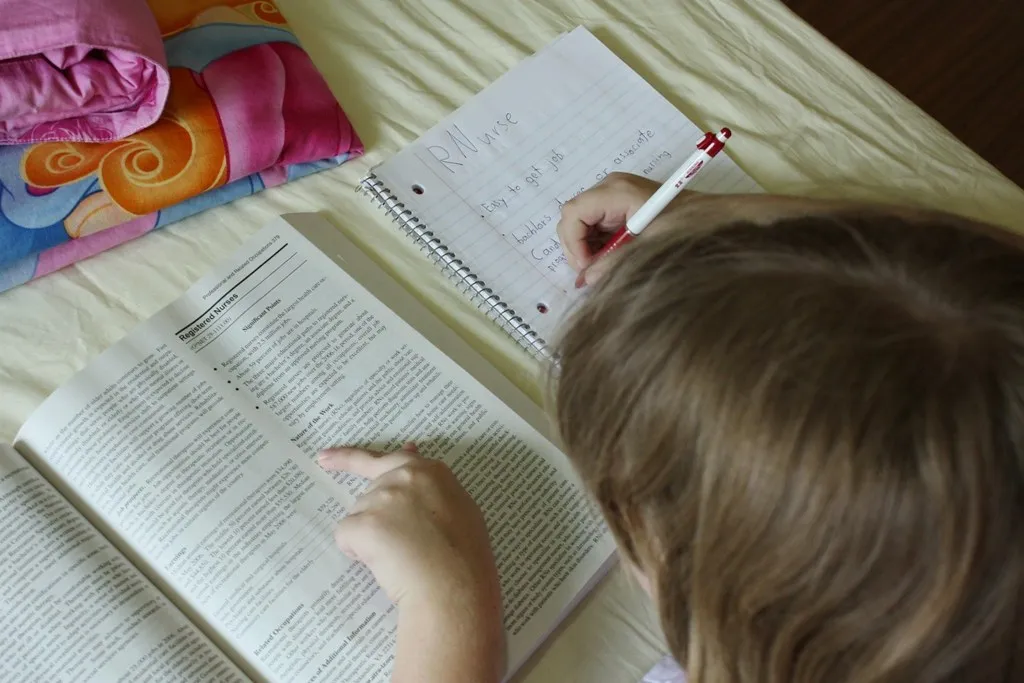
A companion who keeps the schedule solves the hardest problem in exam prep, which is not understanding the material but turning up to it, day after day, for weeks. Revision is a long campaign, and campaigns are won on pace rather than intensity — the steady sessions you actually do beat the heroic ones you plan and dread.
Pace beats intensity
Every student knows both versions of a revision day. There is the heroic one: nine hours at the desk, highlighters uncapped, phone in a drawer, ending in exhaustion and the sense of having earned tomorrow off. And there is the unglamorous one: three or four honest sessions, breaks taken, finished by late afternoon with something specific learned.
The heroic day feels better to plan and worse to live. Its real cost lands the next morning, when the desk has become a place associated with exhaustion and the day off quietly becomes two. Revision fails this way far more often than it fails through idleness — not too few hours, but hours spent in unsustainable bursts with craters between them.
The unglamorous day repeats. That is its entire virtue, and over the six or eight weeks a serious exam demands, it is the only virtue that compounds. Material met little and often has a way of feeling familiar by the end; material met in one desperate fortnight has a way of feeling like a stranger you once sat next to.
The session is the unit of revision
Hours are the wrong measure for revision because an hour tells you nothing about what happened inside it, and revision is unusually good at producing hours in which nothing happened — reading that isn’t absorbing, highlighting that isn’t thinking, notes copied from other notes.
A bounded session with a named question resists this. Not “revise circulation” but “can I draw the circulatory system from memory and check it?” Not “do past papers” but “attempt question three from the 2024 paper, closed book”. A session task should be something the session could actually settle, so that the bell delivers a verdict: you can now do the thing, or you know precisely what you still can’t do. Both are progress. Vague hours deliver neither.
What a single session looks like from the inside — choosing the task, clearing the start, parking distractions on paper — is its own walkthrough, and everything in it applies double during exam season, when the stakes make attention jumpier than usual.
A schedule needs a face
Here is the odd, human part. A revision timetable on paper is easy to betray, because paper doesn’t notice. Nobody is watching a private schedule, which is precisely why private schedules dissolve.
This is where a companion earns its place — not by teaching you anything, but by being the schedule’s face. In PetPomo, the cat sleeps while you focus and expects things at the bell: feeding, a stroke, a few minutes of play before the next round. Keep the routine for a week and the routine starts to feel inhabited — ten o’clock isn’t just “session one” on a timetable, it is when the cat settles down to sleep. Skipping stops being a line through a grid and becomes standing something up.
That sounds like a trick, and it is one, but it is a trick in the right direction. People keep appointments with others far more reliably than appointments with themselves, and a creature that visibly expects the routine converts a self-appointment into something slightly more binding. Slightly is often enough. Revision doesn’t need you to feel accountable to the syllabus; it needs you at the desk at roughly the same times, most days, for weeks — and company at the desk makes that considerably less bleak than doing it alone in silence.
The panic week
Some weeks before the exam, pace’s great enemy arrives: panic. The syllabus suddenly looks enormous, the days left look few, and every instinct says the same thing — drop the breaks, extend the sessions, revise like it’s an emergency.
It is worth being suspicious of this instinct, because it asks you to abandon exactly the machinery that got you this far. Marathon sessions in the panic week produce the same thing they produce in any other week — diminishing attention dressed up as effort — only now with added dread. Most people can feel the difference between the first session after a proper break and the fourth hour without one; the panic week does not repeal it, and skipping breaks makes focus worse, not better regardless of how loudly the calendar is shouting.
What the panic week may honestly justify is more sessions — an earlier start, an extra round in the evening — with the breaks kept intact between them. More blocks, not bigger ones. The cat still gets fed at the bell. If anything, the small ritual matters more now: it is a few minutes in which the exam does not exist, several times a day, on schedule.
The exam ends; the routine doesn’t have to
There is a small consolation waiting on the far side. A student who revised on pace has, almost by accident, built the entire apparatus of working steadily — sessions, breaks, honest tasks, a routine with a face — and it transfers directly to whatever comes after the exam hall.
One caveat belongs here, plainly stated. PetPomo is a timer, not a treatment. Nothing on this page is medical advice — if exam stress is tipping into something heavier than the ordinary dread, a doctor or a specialist is the right person to talk to, and a cat with a schedule is no substitute.
Comments
Loading comments…
Keep reading 🐾
Why a virtual pet makes focus timers stick
Plain timers are easy to abandon because nothing notices. A pet that reacts to your sessions borrows a much older motivation, and that changes the odds.

Why skipping breaks makes ADHD focus worse, not better
Skipping breaks does not bank extra ADHD focus — it borrows from the next session. Why a real break needs content, not just an absence of work.
Hyperfocus: when the problem is stopping, not starting
ADHD hyperfocus is focus without brakes — missed meals, lost hours. Why a bell that ends sessions matters as much as the one that starts them.